1200+ parents are using this method to support their child’s posture and balance — naturally and gently.
ATTENTION PARENTS OF CHILDREN WITH CEREBRAL PALSY
ATTENTION PARENTS OF CHILDREN WITH CEREBRAL PALSY
Join me and start helping your child from home with the
Join me and start helping your child from home with the
#1 Fascia Exercise to
Improve Torso Control
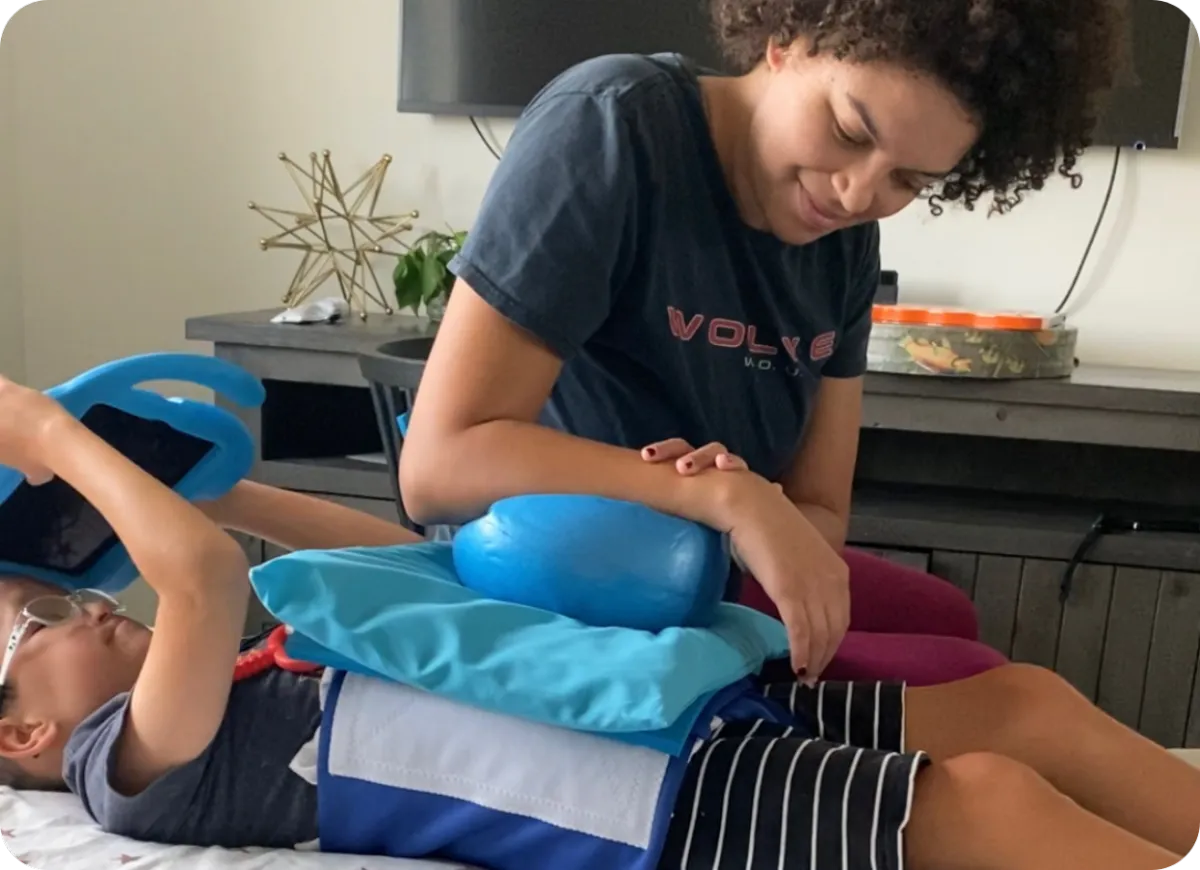
Nothing feels like watching your child sit a little taller, a little calmer,
and knowing your own hands made that happen.
Nothing feels like watching your child sit a little taller, a little calmer,
and knowing your own hands made that happen.
Join me and learn the very first fascia exercise I teach every family I work with
— the one that changes how you understand your child's body, for good.
Join me and learn the very first fascia exercise I teach every family I work with
— the one that changes how you understand your child's body, for good.
Once the timer expires, this offer will be gone.
ATTENTION PARENTS OF CHILDREN
WITH CEREBRAL PALSY
Join me and start helping your child from home with the
#1 Fascia Exercise to Improve Torso Control
Nothing feels like watching your child sit a little taller, a little calmer, and knowing your own hands made that happen.
Join me and learn the very first fascia exercise I teach every family I work with — the one that changes how you understand your child's body, for good.
Once the timer expires, this offer will be gone.
What Parents are Saying
This workshop is just for you if…
You’ve tried traditional therapies and exercises… but your child still collapses when sitting up.
You feel overwhelmed by too much information and don’t know where to begin.
You’re looking for a loving, clear, and effective way to support your child.
You want to learn a science-based, practical technique you can apply at home.
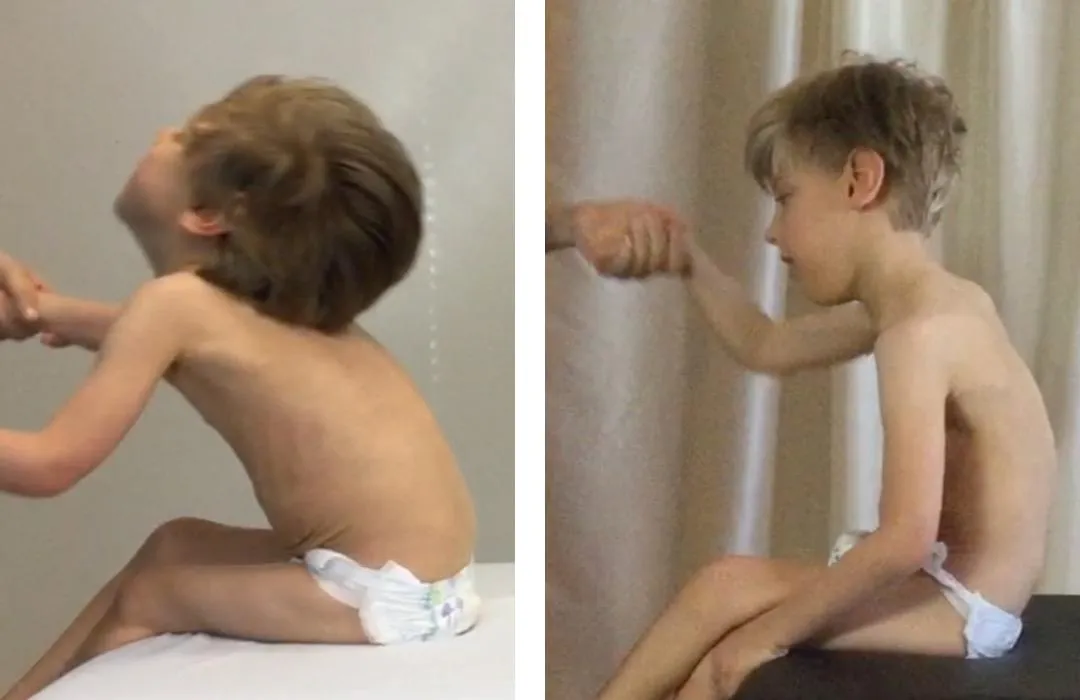
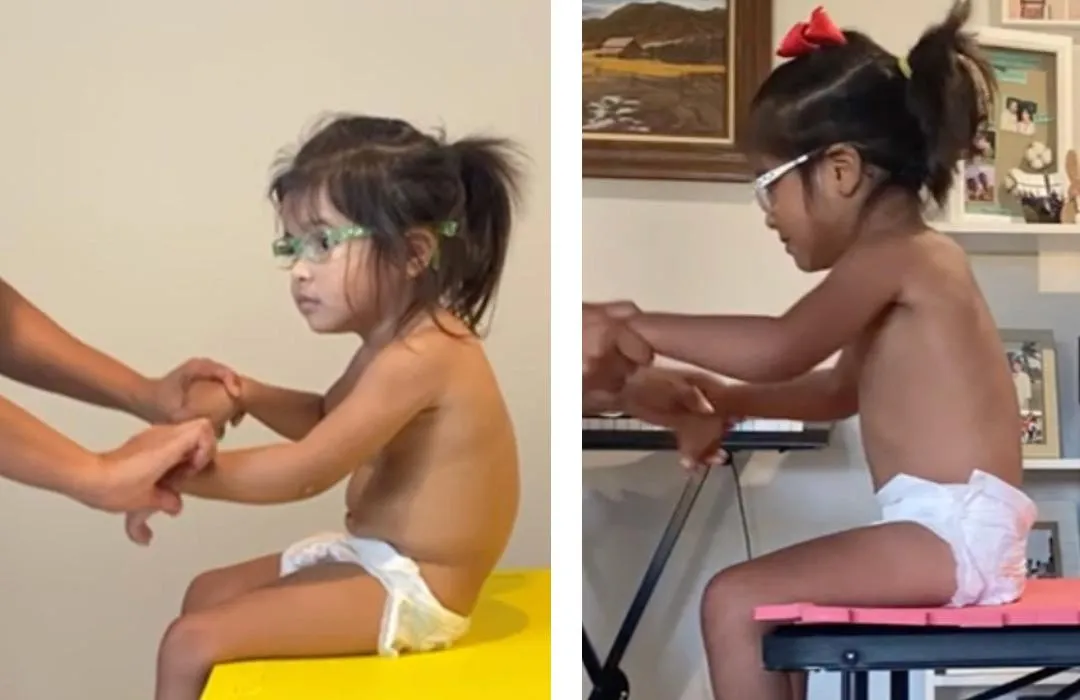
Their moms started with this one exercise
— here’s what happened next:
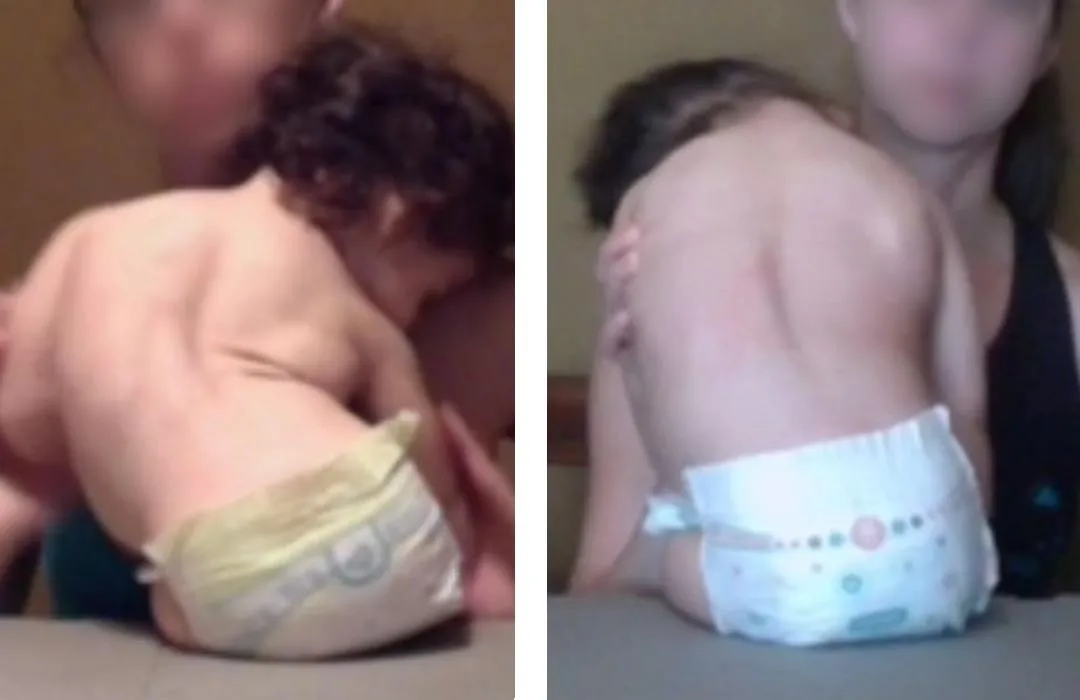
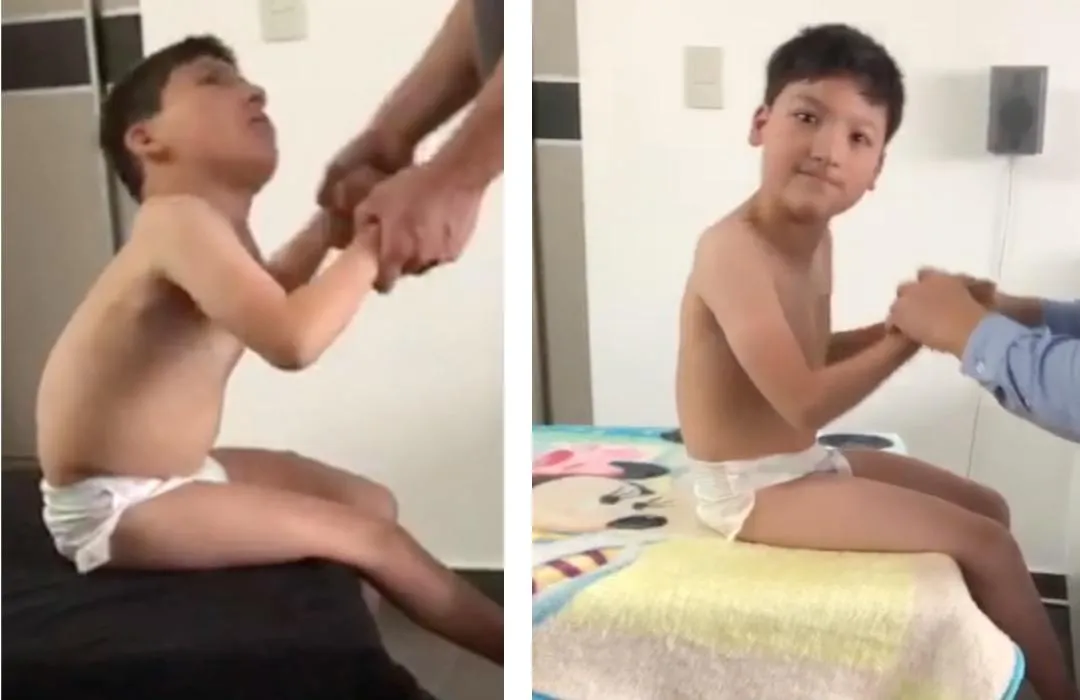
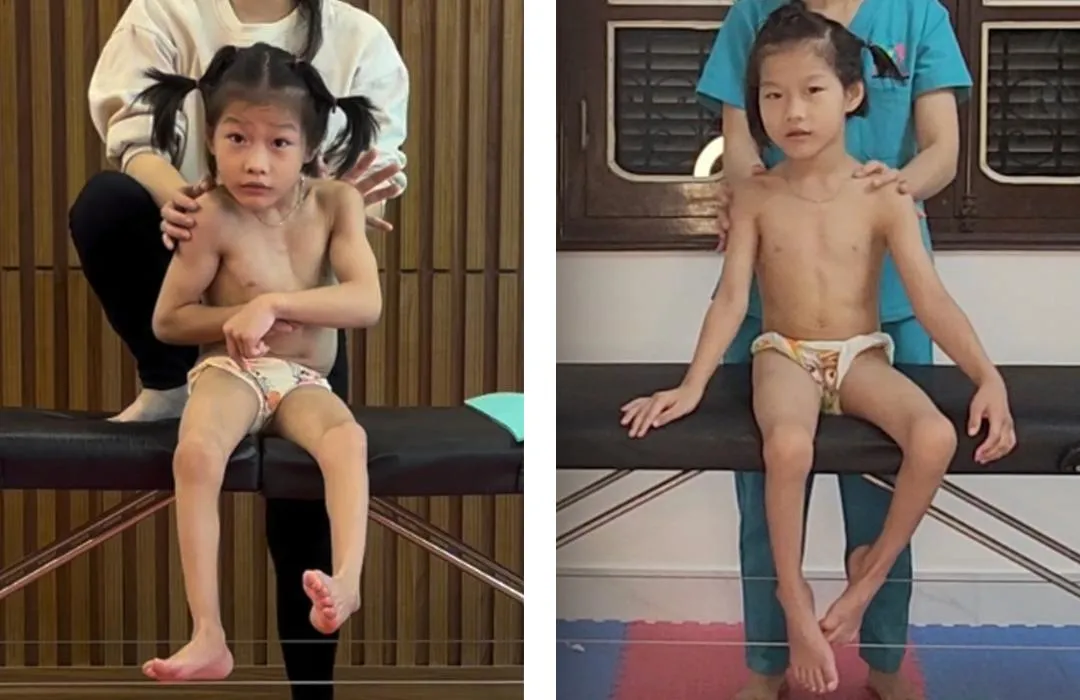

Watch this video if you prefer to listen
Live on Zoom • July 30th
Replay included if you can't make it
Their moms started with this one exercise
— here’s what happened next:
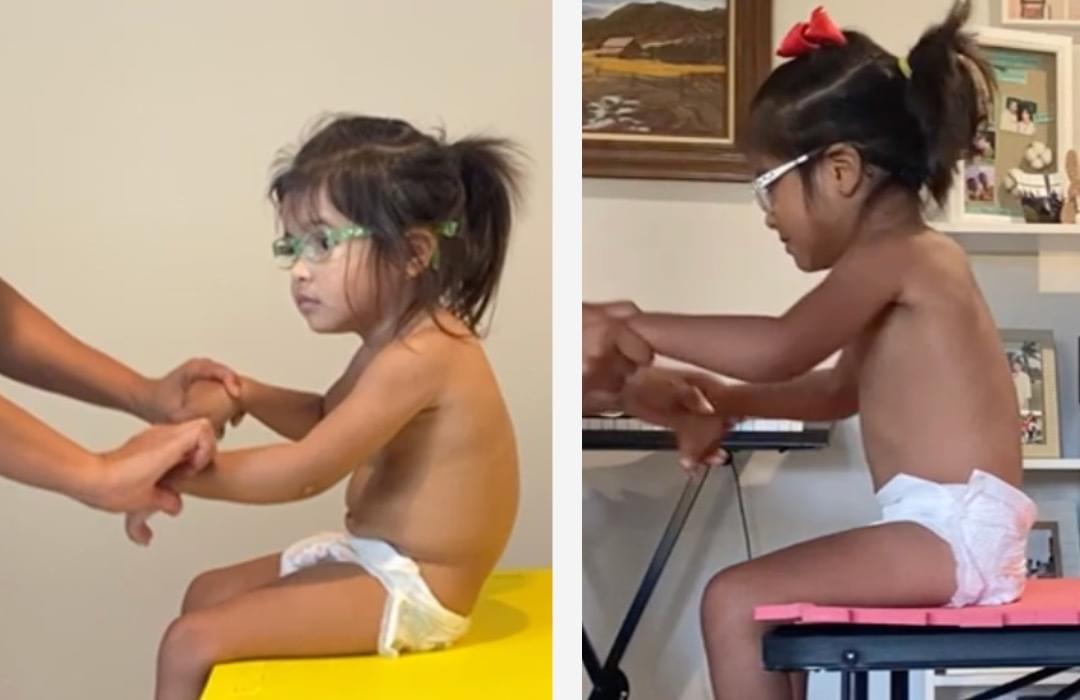
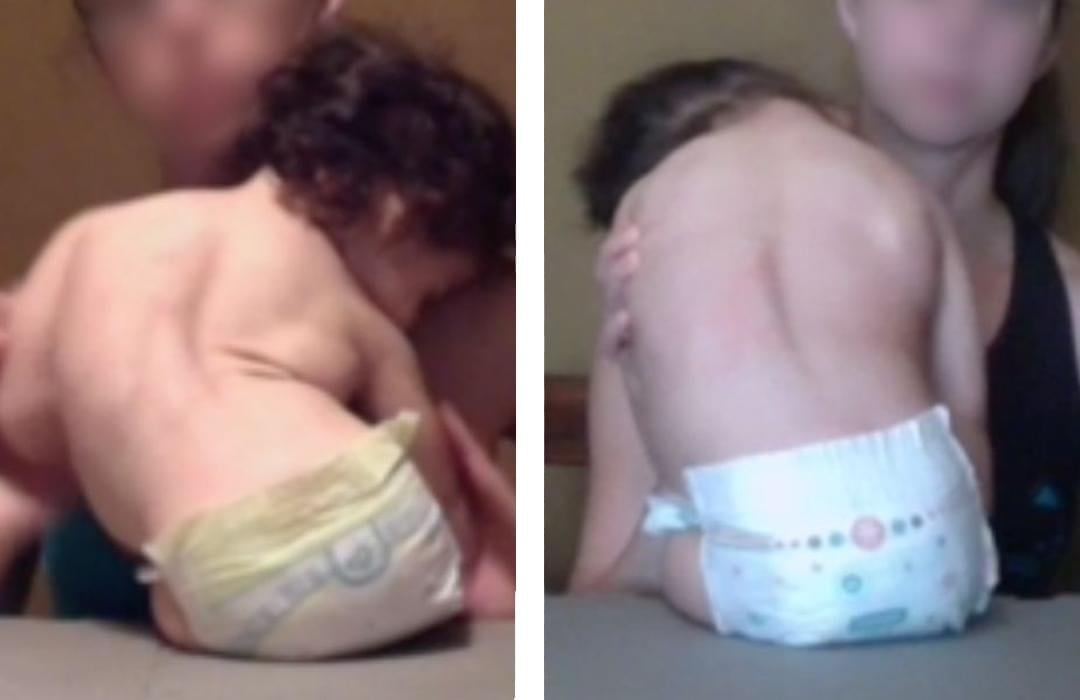
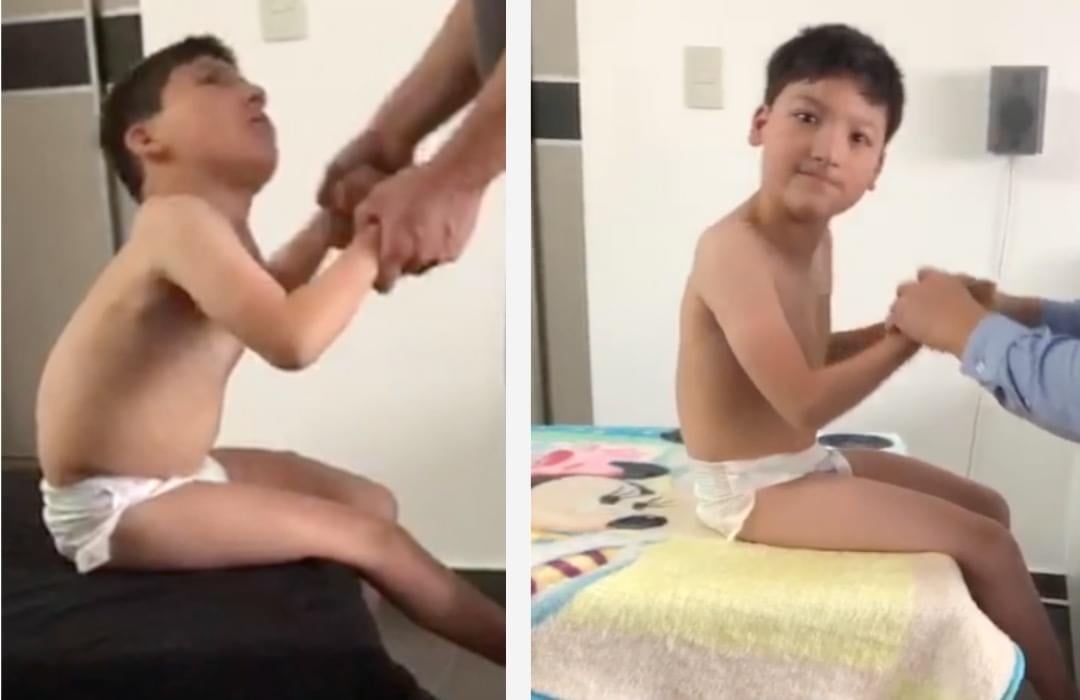
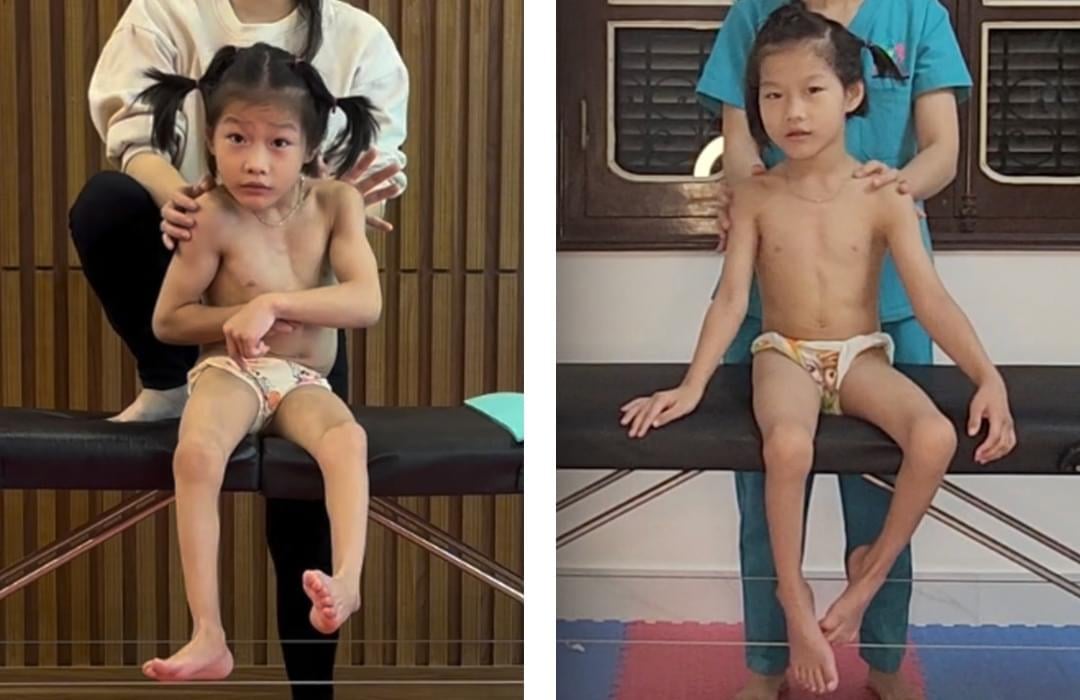
Watch this video if you prefer to listen
Live on Zoom • July 30th
Replay included if you can't make
Why Focus on Fascia?
Most therapies focus on strengthening muscles and repeating the same milestone exercises over and over.
But your child's true support doesn't come from the muscles. It comes from something underneath them — the fascia.
Picture a web of fine threads running through your child's entire body, from head to toe — around every muscle, bone, and organ, holding everything in its place. That's fascia.
When that web is weak, the body collapses in on itself — posture, balance, and control all suffer, no matter how hard the muscles work.
When you gently feed and strengthen that web, the body finds its own support from within.
And that is exactly what you'll learn to do in this workshop.
Most therapies focus on strengthening muscles and repeating the same milestone exercises over and over.
But your child's true support doesn't come from the muscles. It comes from something underneath them — the fascia.
Picture a web of fine threads running through your child's entire body, from head to toe — around every muscle, bone, and organ, holding everything in its place. That's fascia.
When that web is weak, the body collapses in on itself — posture, balance, and control all suffer, no matter how hard the muscles work.
When you gently feed and strengthen that web, the body finds its own support from within.
And that is exactly what you'll learn to do in this workshop.
Most therapies focus on strengthening muscles and repeating the same milestone exercises over and over.
But your child's true support doesn't come from the muscles. It comes from something underneath them — the fascia.
Picture a web of fine threads running through your child's entire body, from head to toe — around every muscle, bone, and organ, holding everything in its place. That's fascia.
When that web is weak, the body collapses in on itself — posture, balance, and control all suffer, no matter how hard the muscles work.
When you gently feed and strengthen that web, the body finds its own support from within.
And that is exactly what you'll learn to do in this workshop.
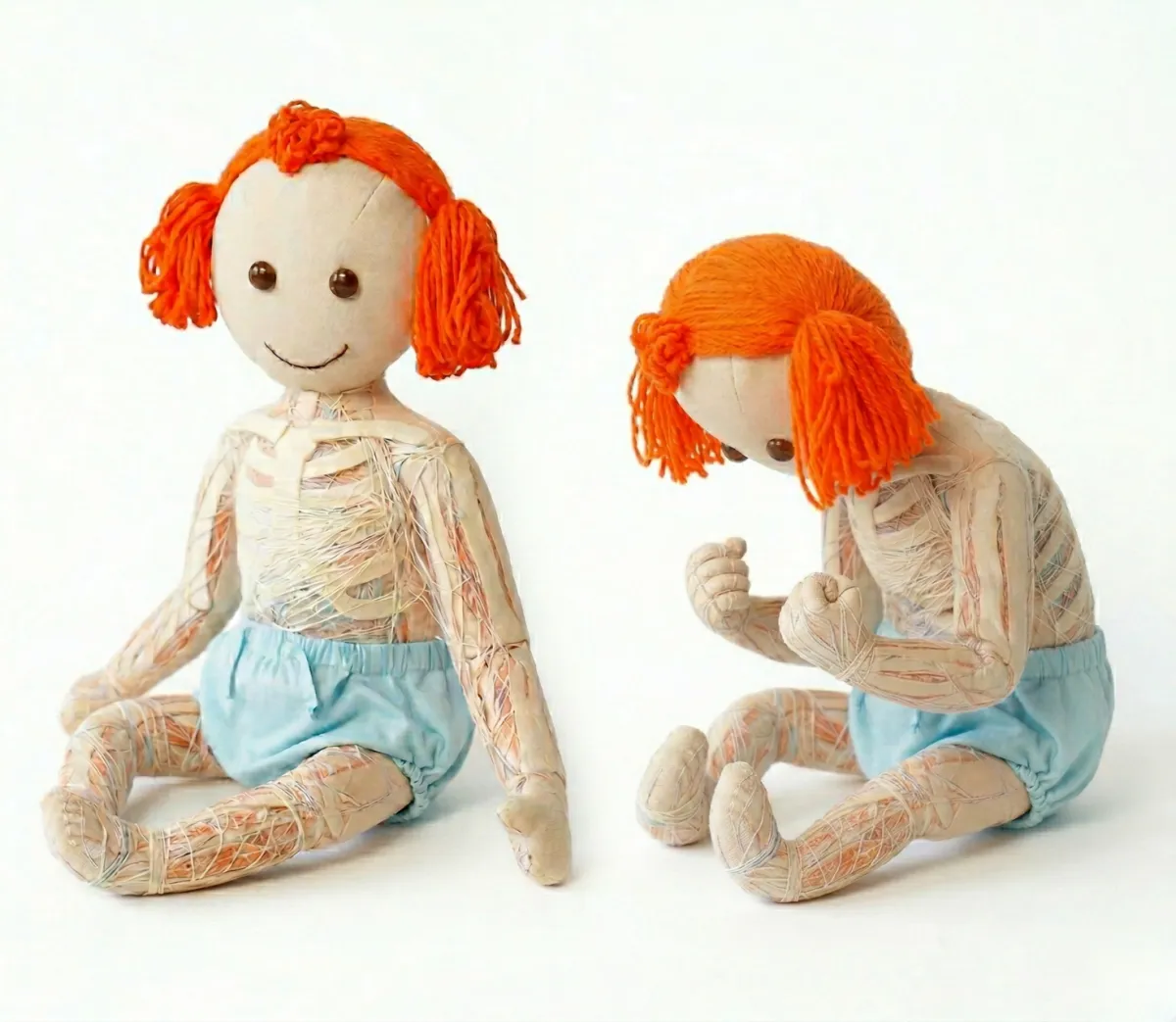
Most therapies focus on strengthening muscles and repeating the same milestone exercises over and over.
But your child's true support doesn't come from the muscles. It comes from something underneath them — the fascia.
Picture a web of fine threads running through your child's entire body, from head to toe — around every muscle, bone, and organ, holding everything in its place. That's fascia.
When that web is weak, the body collapses in on itself — posture, balance, and control all suffer, no matter how hard the muscles work.
When you gently feed and strengthen that web, the body finds its own support from within.
And that is exactly what you'll learn to do in this workshop.
Modern research backs this up: fascia is now understood as an active, sensory, tensional network that organizes posture from within (Levin & Martin), distributes force efficiently through the body (Bordoni & Zanier, 2018), and communicates directly with the nervous system (Bordoni & Mahabadi, 2024). Gentle, soft-tool stimulation — the kind you'll learn here — has been shown to support this process, especially in children whose connective tissue needs more organization (Blyum & Driscoll, 2012).
Modern research backs this up: fascia is now understood as an active, sensory, tensional network that organizes posture from within (Levin & Martin), distributes force efficiently through the body (Bordoni & Zanier, 2018), and communicates directly with the nervous system (Bordoni & Mahabadi, 2024). Gentle, soft-tool stimulation — the kind you'll learn here — has been shown to support this process, especially in children whose connective tissue needs more organization (Blyum & Driscoll, 2012).
👉 In short:
Fascia isn’t just real — it’s essential.
And what you’ll learn in this workshop is backed by real science, translated into something you can do with your own two hands.
Fascia isn’t just real — it’s essential.
And what you’ll learn in this workshop is backed by real science, translated into something you can do with your own two hands.
Modern research backs this up: fascia is now understood as an active, sensory, tensional network that organizes posture from within (Levin & Martin), distributes force efficiently through the body (Bordoni & Zanier, 2018), and communicates directly with the nervous system (Bordoni & Mahabadi, 2024). Gentle, soft-tool stimulation — the kind you'll learn here — has been shown to support this process, especially in children whose connective tissue needs more organization (Blyum & Driscoll, 2012).
👉 In short:
Fascia isn’t just real — it’s essential.
And what you’ll learn in this workshop is backed by real science, translated into something you can do with your own two hands.
Fascia Therapy has completely changed how I see and help kids like yours!
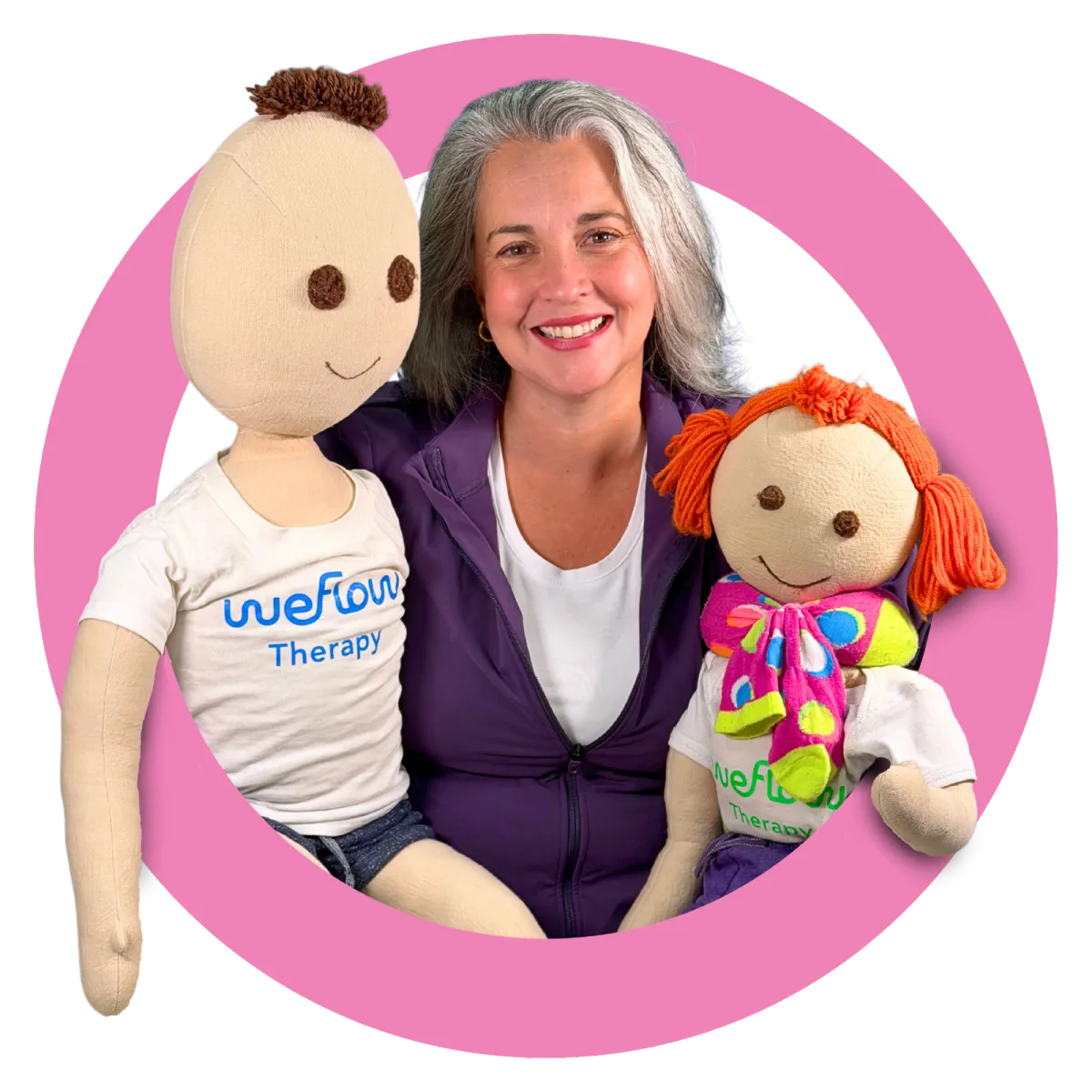
I'm Mariana.
I've been a pediatric physical therapist a and a osteopath, and I have worked with kids like yours for over 27 years.
For the first 12 years of my career, I did everything "by the book." NDT. Bobath. Muscle strengthening. Milestone-based therapy. I gave it everything I had.
And for the kids who were more affected — the ones with more severe presentations — nothing I did seemed to be enough. No matter how many sessions per week. No matter how many surgeries, how much Botox, how many braces.
Some of them were getting worse, not better.
So I started asking myself: am I missing something?
The answer was fascia — the deep connective tissue system that runs through your child's whole body like a web, holding every bone, muscle, and organ in place.
When that web is weak, the body collapses in on itself, no matter how strong the muscles underneath try to be. When you gently rebuild it, the body finds real support from within — support that doesn't disappear the moment your child gets tired, distracted, or stops "trying."
That discovery changed the way I practice completely. And for more than 15 years, I've been teaching parents around the world how to do this work themselves — at home, with their own hands.
This workshop is where I hand you that first, most important piece.
I'm Mariana.
I've been a pediatric physical therapist a and a osteopath, and I have worked with kids like yours for over 27 years.
For the first 12 years of my career, I did everything "by the book." NDT. Bobath. Muscle strengthening. Milestone-based therapy. I gave it everything I had.
And for the kids who were more affected — the ones with more severe presentations — nothing I did seemed to be enough. No matter how many sessions per week. No matter how many surgeries, how much Botox, how many braces.
Some of them were getting worse, not better.
So I started asking myself: am I missing something?
The answer was fascia — the deep connective tissue system that runs through your child's whole body like a web, holding every bone, muscle, and organ in place.
When that web is weak, the body collapses in on itself, no matter how strong the muscles underneath try to be. When you gently rebuild it, the body finds real support from within — support that doesn't disappear the moment your child gets tired, distracted, or stops "trying."
That discovery changed the way I practice completely. And for more than 15 years, I've been teaching parents around the world how to do this work themselves — at home, with their own hands.
This workshop is where I hand you that first, most important piece.
Fascia Therapy has completely changed how I see and help kids like yours!
I'm Mariana.
I've been a pediatric physical therapist a and a osteopath, and I have worked with kids like yours for over 27 years.
For the first 12 years of my career, I did everything "by the book." NDT. Bobath. Muscle strengthening. Milestone-based therapy. I gave it everything I had.
And for the kids who were more affected — the ones with more severe presentations — nothing I did seemed to be enough. No matter how many sessions per week. No matter how many surgeries, how much Botox, how many braces.
Some of them were getting worse, not better.
So I started asking myself: am I missing something?
The answer was fascia — the deep connective tissue system that runs through your child's whole body like a web, holding every bone, muscle, and organ in place.
When that web is weak, the body collapses in on itself, no matter how strong the muscles underneath try to be. When you gently rebuild it, the body finds real support from within — support that doesn't disappear the moment your child gets tired, distracted, or stops "trying."
That discovery changed the way I practice completely. And for more than 15 years, I've been teaching parents around the world how to do this work themselves — at home, with their own hands.
This workshop is where I hand you that first, most important piece.
You don’t need more therapy — you need a new way of seeing your child’s body.
💡 Here’s How to Get Started:
1
Join
the Workshop
Sign up and get immediate access to this 90-minute fascia therapy workshop — designed especially for parents who want to support their child with clarity and confidence.
2
Learn One Gentle and Powerful Technique
Follow along as I guide you step by step through a soft, fascia-based movement to support your child’s trunk control. No experience needed — just your hands, your heart, and a few simple tools.
3
Start from home — even while your child rests
Use what you’ve learned during quiet time or sleep. With simple tools and gentle hands, you’ll begin to see your child’s torso grow stronger.
Start doing fascia therapy at home to help your child gain better torso control.
What you'll learn inside the workshop.
Give me less than 2 hours… and I’ll teach you a powerful, science-backed technique that can help improve your child’s postural control — from home, with your own hands, and without invasive exercises.
This isn’t just about learning one exercise.
It will help you build a strong foundation — one that will change the way you understand your child’s body and how to support their motor control.
It’s the doorway to a completely new way of helping your child grow and thrive.
In this workshop for parents, I’ll guide you through:
The mindset you need to trust yourself as a mom — and become the best therapist your child could have.
The theory behind this therapy: how fascia relates to motor control and cerebral palsy.
The very first fascia exercise to start improving your child’s trunk control.
How to create or find the soft tools you’ll need for the exercise.
A gentle, safe technique you can use at home.
How to adapt it based on your child’s posture and tone.
You'll also get:
A guide to creating your own toolkit.
A bonus tutorial to make a soft abdominal binder.
A bonus tutorial to make a soft neck/head support.
Lifetime access to the workshop.
Este taller ya no está disponible.
Puedes obtener información sobre nuestro próximo curso
Con tu primer ejercicio de fascia, puedes empezar a trabajar en su fascia para ayudarle a fortalecer su torso, a tu propio ritmo, y desde la comodidad de tu hogar.
Start fascia therapy with your child to help improve core control.
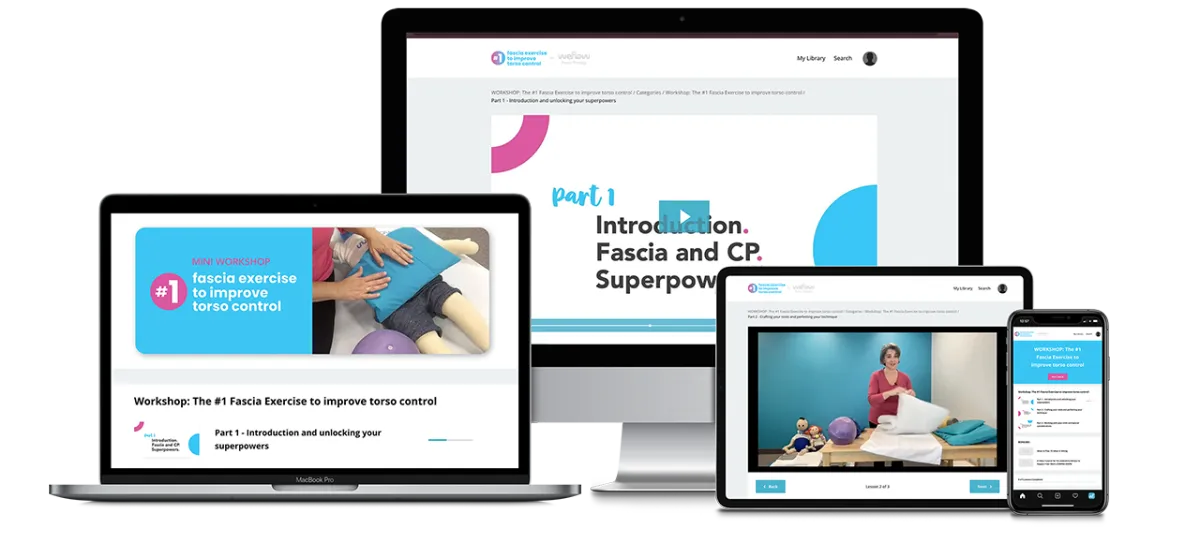
Here's everything included when you join:
Class: Discover and Develop Your Skills as a Therapist.
(valued in $127)Training: Fascia Therapy Tools and Techniques.
(valued in $297)Training: How to Work with Your Child.
(valued in $297)Class: Understanding the Basics of Fascia Therapy.
(valued in $47)BONUS 1 Guide to build your own toolkit.
(valued in $27)BONUS 2 Tutorial to make a soft abdominal binder
(valued in $47)
BONUS 3 Tutorial to make a soft neck/head support.
(a free course I offer — included here too)
BONUS 4 Lifetime access to the workshop and all replays.
(valued in $47)
Valor total: $889 (USD)
Today's Price: $27 (USD)
Regular Price: $27
Once the timer expires, this offer will be gone.
Start fascia therapy with your child to help improve core control.
Here's everything included when you join:
Class: Discover and Develop Your Skills as a Therapist.
(valued in $127)Training: Fascia Therapy Tools and Techniques.
(valued in $297)Training: How to Work with Your Child.
(valued in $297)Class: Understanding the Basics of Fascia Therapy.
(valued in $47)BONUS 1 Guide to build your own toolkit.
(valued in $27)BONUS 2 Tutorial to make a soft abdominal binder
(valued in $47)
BONUS 3 Tutorial to make a soft neck/head support.
(a free course I offer — included here too)
BONUS 4 Lifetime access to the workshop and all replays.
(valued in $47)
Valor total: $889 (USD)
Today's Price: $27 (USD)
Regular Price: $27
Once the timer expires, this offer will be gone.
Start fascia therapy with your child to help improve core control.
Here's everything included when you join:
Class: Discover and Develop Your Skills as a Therapist.
(valued in $127)Training: Fascia Therapy Tools and Techniques.
(valued in $297)Training: How to Work with Your Child.
(valued in $297)Class: Understanding the Basics of Fascia Therapy.
(valued in $47)BONUS 1 Guide to build your own toolkit.
(valued in $27)BONUS 2 Tutorial to make a soft abdominal binder
(valued in $47)
BONUS 3 Tutorial to make a soft neck/head support.
(a free course I offer — included here too)
BONUS 4 Lifetime access to the workshop and all replays.
(valued in $47)
Valor total: $889 (USD)
Today's Price: $27 (USD)
Regular Price: $27
Once the timer expires, this offer will be gone.
Got questions? I’m here to help.
How is fascia therapy different from other therapies?
Fascia therapy focuses on your child’s fascial system — the deep, connective tissue network that supports the whole body. It’s gentle, passive, and doesn’t require your child’s active participation. You can even do it while they’re resting or sleeping.
Is this only for children with Cerebral Palsy (CP), or does it work for other conditions too?
While most of the families we support have children with cerebral palsy (from mild to more complex cases), this approach is also effective for other neuromuscular and genetic conditions.
How much time will I need to complete the training? Are the lessons pre-recorded?
Yes, all lessons are pre-recorded and ready for you inside the course platform. You’ll need less than 2 hours to go through everything — and you get lifetime access, so you can revisit the content whenever you need.
How soon will I start seeing results?
You can begin applying what you learn as soon as you prepare your tools. Some families notice changes within the first month of consistent practice.
Can this therapy help with scoliosis?
Yes. Fascia plays a key role in supporting spinal alignment and mobility. In this workshop, you’ll learn an exercise that supports the spine from the front, as well as how to make an abdominal binder — a comfortable and effective alternative to rigid braces.
My child is older — even an adult. Is it too late to start?
It’s never too late. Fascia responds at any age, and this therapy is passive — meaning your child can simply lie down while you do the work with a soft ball. As long as someone is available to apply the technique, it can help.
My child has a feeding tube.
Can I still do this therapy?
Yes. Many families we work with have children who use feeding tubes. In the workshop, I show you simple ways to protect the area while using the tools you’ll build.
My child has sensory issues.
Will this be too much for them?
This approach often helps children with sensory sensitivities. That’s because fascia is full of sensory receptors — it’s now considered a sensory organ itself. The gentle, consistent input of fascia therapy can actually help the nervous system feel more regulated over time.
What exactly do I get when I sign up for
The #1 Fascia Exercise to Improve Torso Control?
You’ll learn step-by-step how to do one specific fascia exercise that helps your child’s trunk feel more supported. I walk you through how to build or gather the tools you need, how to position your child, and how to apply the technique safely and effectively.
You’ll also get a powerful mindset lesson about your role as a parent — and how this approach shifts the way you understand your child’s development.
Plus, you’ll receive four valuable bonuses to support you even further.
How do I sign up?
Click the “Get Instant Access” button and follow the steps. You’ll enter your name, email, and payment details — and get immediate access to the course platform.
You’ll have lifetime access, so you can return to the materials anytime.
Got questions?
I’m here to help.
How is fascia therapy different from other therapies?
Fascia therapy focuses on your child’s fascial system — the deep, connective tissue network that supports the whole body. It’s gentle, passive, and doesn’t require your child’s active participation. You can even do it while they’re resting or sleeping.
Is this only for children with Cerebral Palsy, or does it work for other conditions too?
While most of the families we support have children with cerebral palsy (from mild to more complex cases), this approach is also effective for other neuromuscular and genetic conditions.
Can this therapy help with scoliosis?
Yes. Fascia plays a key role in supporting spinal alignment and mobility. In this workshop, you’ll learn an exercise that supports the spine from the front, as well as how to make an abdominal binder — a comfortable and effective alternative to rigid braces.
My child is older — even an adult.
Is it too late to start?
It’s never too late. Fascia responds at any age, and this therapy is passive — meaning your child can simply lie down while you do the work with a soft ball. As long as someone is available to apply the technique, it can help.
My child has a feeding tube.
Can I still do this therapy?
Yes. Many families we work with have children who use feeding tubes. In the workshop, I show you simple ways to protect the area while using the tools you’ll build.
My child has sensory issues.
Will this be too much?
Often the opposite — fascia is full of sensory receptors, and it's now considered a sensory organ in its own right. The gentle, consistent input of this work can help the nervous system feel more regulated over time.
What if I can't attend live on July 30th?
You'll get full access to the replay, plus lifetime access to revisit it anytime. I do recommend attending live if you can — you'll be able to ask questions in real time.
How do I sign up?
Click on any of the "SAVE MY SEAT" buttons, fill in your details, and you're in. You'll get your Zoom link for July 30th, plus lifetime access to the replay.
Got questions?
I’m here to help.
How is fascia therapy different from other therapies?
Fascia therapy focuses on your child’s fascial system — the deep, connective tissue network that supports the whole body. It’s gentle, passive, and doesn’t require your child’s active participation. You can even do it while they’re resting or sleeping.
Is this only for children with Cerebral Palsy, or does it work for other conditions too?
While most of the families we support have children with cerebral palsy (from mild to more complex cases), this approach is also effective for other neuromuscular and genetic conditions.
Can this therapy help with scoliosis?
Yes. Fascia plays a key role in supporting spinal alignment and mobility. In this workshop, you’ll learn an exercise that supports the spine from the front, as well as how to make an abdominal binder — a comfortable and effective alternative to rigid braces.
My child is older — even an adult. Is it too late to start?
It’s never too late. Fascia responds at any age, and this therapy is passive — meaning your child can simply lie down while you do the work with a soft ball. As long as someone is available to apply the technique, it can help.
My child has a feeding tube.
Can I still do this therapy?
Yes. Many families we work with have children who use feeding tubes. In the workshop, I show you simple ways to protect the area while using the tools you’ll build.
My child has sensory issues.
Will this be too much?
Often the opposite — fascia is full of sensory receptors, and it's now considered a sensory organ in its own right. The gentle, consistent input of this work can help the nervous system feel more regulated over time.
Often the opposite — fascia is full of sensory receptors, and it's now considered a sensory organ in its own right. The gentle, consistent input of this work can help the nervous system feel more regulated over time.
The essentials,
in a few words
If you’re thinking… “We’ve done so many therapies, but my child still can’t sit up well. What else can I do?” There’s a good chance no one has told you about the body’s true internal support system: fascia.
The issue isn’t that you’re not doing enough. The issue is that you’ve been repeating muscle-focused exercises without first addressing the deep structure that holds everything together.
What you need isn’t “more therapy” — it’s a new way of seeing the body.
One that focuses on what truly makes a difference: the tension and organization of the fascia.
This express workshop was created exactly for that.
It’s a starting point for parents who are ready to go beyond traditional models — without endless sessions.
I’ll teach you what fascia is, how it affects posture and movement, and how to start working with it using simple tools, right from home.
You don’t need to be a therapist.
You don’t need expensive equipment.
All you need is a new perspective, a pillow, a ball… and the desire to help your child from the inside out.
This workshop is your entry point to an approach that has already transformed thousands of families. And it can be your first step toward real, lasting, visible change.
All for just $27 USD — a powerful, science-backed tool to help you unlock your child’s true potential.